
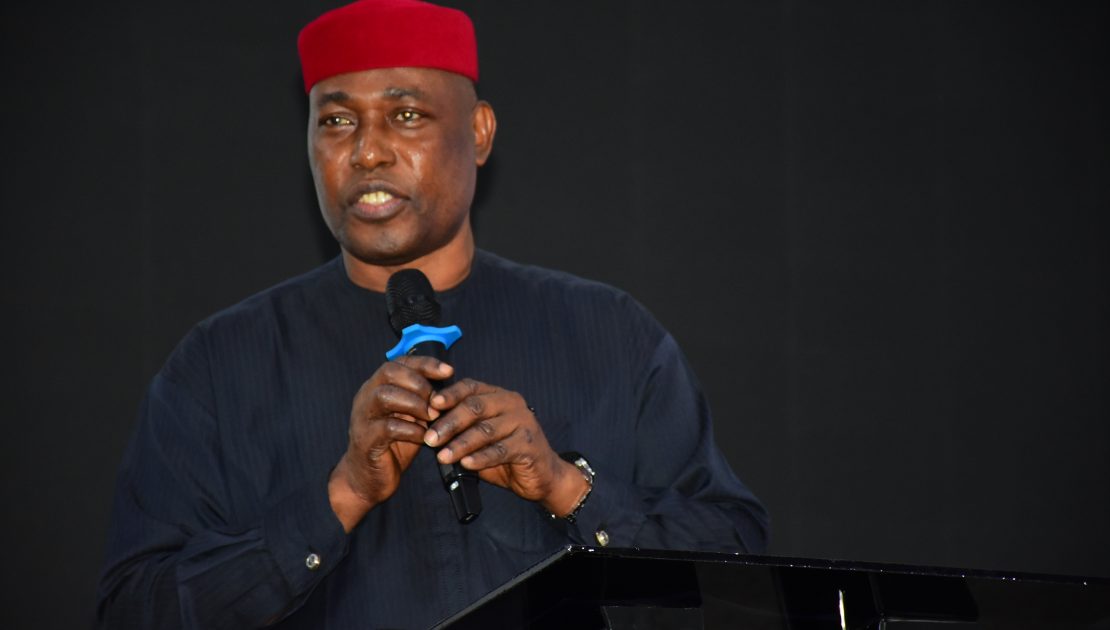
How To Report Terrorism Without Becoming A Tool For Terrorism Executive Summary Of Discussion Points By Martins Oloja Fnge, Former Md/EIC, The Guardian At The Nigerian Guild Of Editors Conference On September 23-27, 2026 In Enugu
- September 25, 2026
- Comments: 0
- Posted by: Imoh Robert
National Security Journalism
- THE CORE PROBLEM IN 3 SENTENCES
Terrorists need three (3) things from media: Fear, Fame, and Funding.
In a poor market, media needs three (3) things from terrorists: Clicks, Access, and Scoops.
That intersection is where journalists become tools.
This master class teaches you how to break that transaction.2. 10 CONCRETE JOURNALISM RULES – GLOBAL BEST PRACTICE, LOCALISED FOR NIGERIA
RULE: WHY IT MATTERS – NIGERIA EXAMPLE - NEVER PUBLISH UNVERIFIED BODY COUNTS OR CLAIMS: Terror groups inflate numbers to create panic. You become their PR. “Boko Haram claims 200 killed”. Report as “Group claims...” + get NEMA/Police/NHRC figures. Wait FOR 24hrs.
2. DENY THEM THE SPECTACLE: No photos of bodies, no hostage videos, no manifestos in full. That is oxygen. BBC/DW policy: Describe, don’t display. Blur. No gore.
3. NAME THE CRIME, NOT JUST THE GROUP: “Bandits” is vague. “Kidnappers” is accurate. Don’t launder language. Say “armed men suspected to be ISWAP” not “unknown gunmen” when evidence exists.
4. HUMANISE VICTIMS, DEPERSONALISE PERPETRATORS: Terrorists want fame. Victims deserve dignity. 1 paragraph on attacker. 3 paragraphs on community, IDPs, nurses who responded.
5. CONTEXT OVER SPEED: Cynical market rewards “BREAKING”. But wrong speed kills. Add: history of attack zone, government response failure, IDP numbers, food inflation link.
6. NO PAYMENT, NO NEGOTIATION COVERAGE LIVE: Live-tweeting ransom talks gets people killed. NYT/AP rule: Blackout until victims are safe. Explain why to audience after.
7. SOURCE TRIANGULATION IS NON-NEGOTIABLE: 1 Army source + 1 Community source + 1 NGO = Minimum. Don’t rely on “security source”. Get traditional ruler, hospital, local reporter.
8. REPORT THE ECONOMY OF TERROR: In poor media markets, follow the money. Who funds? Who benefits? Report: illegal mining, ransom, cattle rustling, political sponsors. That’s the real story.
9. PROTECT YOURSELF + YOUR FIXERS: No bylines from conflict zones. No geo-tags. Pay fixers hazard + insurance. Poor capitalisation means media can’t protect you. Build your own safety protocol.
10. AFTER THE ATTACK: REPORT RESILIENCE: Terror wins if only fear is reported. Show schools reopening, markets, heroes. “24hrs after attack, women in Bama reopened market.” That denies them victory narrative.GOLDEN RULE: If your story could be used as a recruitment video or a press release by the terrorist group, rewrite it._
THE POLITICAL ECONOMY PROBLEM + 5 WORKAROUNDS
The Reality in a Cynical, Poorly Capitalised Market:
1. Owners want traffic → Sensational headlines
2. Advertisers fear “security” stories → Self-censorship
3. No budget for conflict reporting → Reliance on military handouts
4. Journalists unpaid → Vulnerable to “brown envelopes” from all sides
5. Government pressure → “Don’t report it”5 WORKAROUNDS FOR NATIONAL SECURITY REPORTERS:
1. THE “PUBLIC INTEREST DEFENCE” PITCH TO EDITORS
Frame: “This story will get us 1m views AND keep us out of court/DFC.” Data + Responsibility = Buy-in.
2. CROWDFUND INVESTIGATIONS
Partner with MacArthur, Wole Soyinka Centre, IJN. Don’t wait for owner. Poor market = seek grants.
3. CROSS-NEWSROOM COLLABORATION
3 papers share 1 reporter in Borno. Split cost, share risk, publish same data. Reduces competition on gore.
4. “SOLUTIONS BEAT” TO ATTRACT ADS
Banks/NGOs will sponsor “How IDPs are rebuilding” but not “50 killed”. Reframe terrorism reporting around recovery.
5. BUILD PERSONAL BRAND + ETHICS CAPITAL
When company fails you, your credibility is your pension. Be the reporter sources trust, not the one who leaks.4. RED FLAGS: WHEN YOU ARE BECOMING A TOOL
Check yourself weekly:
1. Are you quoting only one side: Army or Terrorists?
2. Did you publish a video “sent to you” without asking who sent it and why?
3. Is your headline using the terrorist’s chosen name for themselves?
4. Are you reporting casualty figures before families are notified?
5. Did you get the story because you paid, or because someone wants you to push an agenda?If 2 = YES. Step back.
5 DELIVERABLES FROM THIS MASTERCLASS
Every journalist must leave with these 5 tangible outputs:
DELIVERABLE 1: PERSONAL SECURITY & ETHICS PROTOCOL
1-page checklist: Digital security, hostile environment, fixer contracts, trauma care contacts. Template provided.
DELIVERABLE 2: “TERRORISM REPORTING STYLE GUIDE” FOR YOUR NEWSROOM
Adopted language: “kidnapped” not “abducted by unknown”. “Explosive device” not “bomb”. “Claimed responsibility” not “admitted”.
DELIVERABLE 3: SOURCE MAP + VERIFICATION GRID
A contact sheet: NEMA, NHRC, 3 LG Chairmen, 2 IDP leaders, 2 CSOs, 1 Military PRO per zone. Plus “2-source rule” form.
DELIVERABLE 4: 3 PUBLISHED PIECES IN 30 DAYS
Assignment:
1. Context piece: “Economy of kidnapping in X state”
2. Human story: “Life 1 year after attack in Y community”
3. Accountability: “What happened to N5bn security vote in Z state”
DELIVERABLE 5: NEWSROOM ADVOCACY MEMO
1-page memo to your MD/Editor: “Why ethical terrorism reporting = more trust = more subscriptions + less government harassment.” With data from Reuters Institute + CPJ.CLOSING LINE FOR THE CLASS
“In a society where press freedom is for sale, your ethics are the only currency that doesn’t devalue.
Terrorists want you to spread fear. Politicians want you to spread propaganda.
Your job is to spread facts, with context and humanity.
That is how you report terrorism without becoming its tool.”
